


7 photos. Swipe or tap a thumbnail; tap a photo to zoom.



Joy Colliers Cape
- Condition
- Very Good (what this means)
- Catalogue no.
- TCB-001124
Facts are taken from the listing. Where it doesn't state one, it is left out.
About this copy
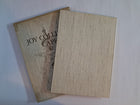
Joy Colliers Cape (Illustrated 1976 Cape Sketchbook in Slipcase)
A Cape Town Artist's Ink and Watercolour Portrait of the Cape, in a Cloth Slipcase
Bibliographic Specifications
- Title: Joy Colliers Cape
- Edition Details: Published 1976 by Purnell & Sons (S.A.) (Pty) Ltd, Cape Town. Printed by Creda Press; reproductions by Hirt & Carter (Pty) Ltd; bound in South Africa by E. D. Seabrook.
- Binding: Publisher's pale textured cloth-covered boards with gilt lettering to the spine, housed in a matching illustrated slipcase.
- Physical Format: Large quarto format, illustrated throughout with ink and watercolour reproductions and captions.
Official Condition Report
- The Book: Very Good (VG)
- Exterior / Boards: The cloth-covered boards are clean and square, with gilt lettering to the spine. The illustrated slipcase carries a sepia drawing and title to its face, with some toning, light surface marks and tape-type discolouration along the edges and corners, consistent with age and storage.
- Interior: The text block appears tight and sound. The pages are clean and bright, with the colour and ink reproductions crisp and well preserved. The endpapers are clean, and no markings, tears or foxing are visible.
- The Dust Jacket: Not Applicable (As Issued). The book is issued in a slipcase rather than a dust jacket.
Synopsis & Historical Value
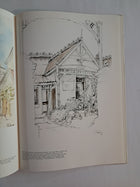
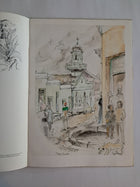
Published in Cape Town in 1976, Joy Collier's Cape is a pictorial record of the Cape in the artist's own ink and watercolour drawings, each accompanied by a short descriptive caption. The drawings are dated 1976 and signed by the artist.
The subjects range across Cape Town and beyond: the gateway to the Castle, Tuynhuys and the Stal Plein, the Groote Kerk and the old Supreme Court façade, the Malay Quarter, and the village post office at Matjiesfontein. The captions weave in historical detail, from the Cape's Dutch and British governors to Olive Schreiner's time at Matjiesfontein.
Today the book serves both as an attractive collectible art volume and as a record of Cape townscapes and heritage buildings as one artist saw them in the mid-1970s. It will appeal to collectors of Africana art, Cape local history and illustrated South African books.
Places/Areas of Historical Importance
-
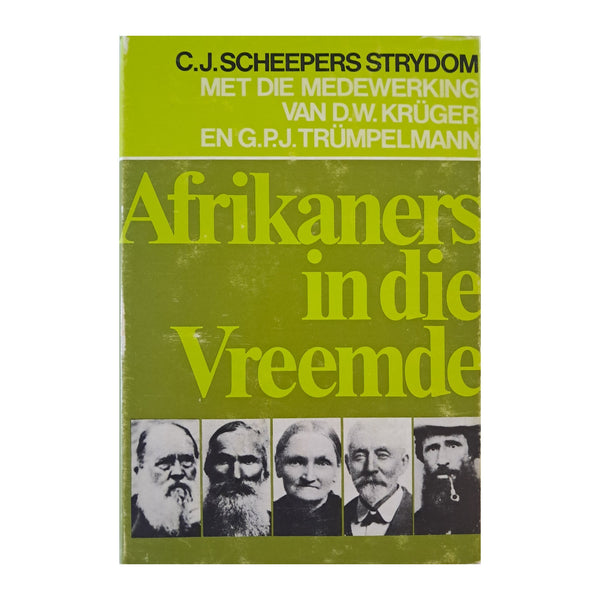
Afrikaners in die Vreemde by C. J. Scheepers Strydom & D. W. Krüger & G. P. J. Trümpelmann
C. J. Scheepers Strydom & D. W. Krüger & G. P. J. Trümpelmann, 1976
-
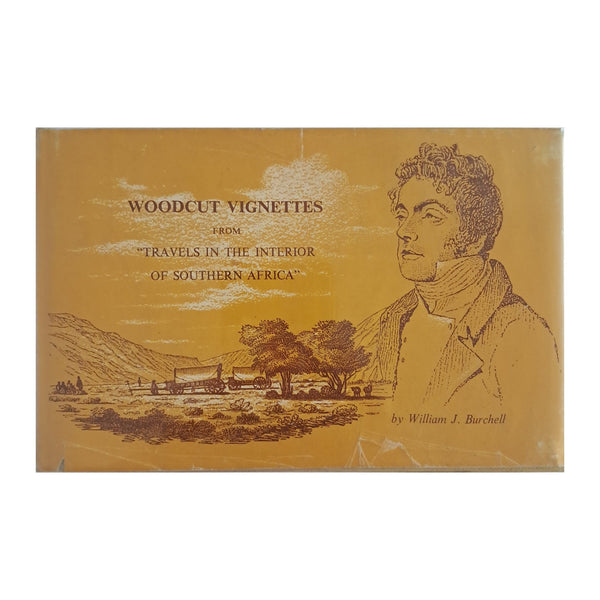
Woodcut Vignettes by William John Burchell
William John Burchell, 1968
-
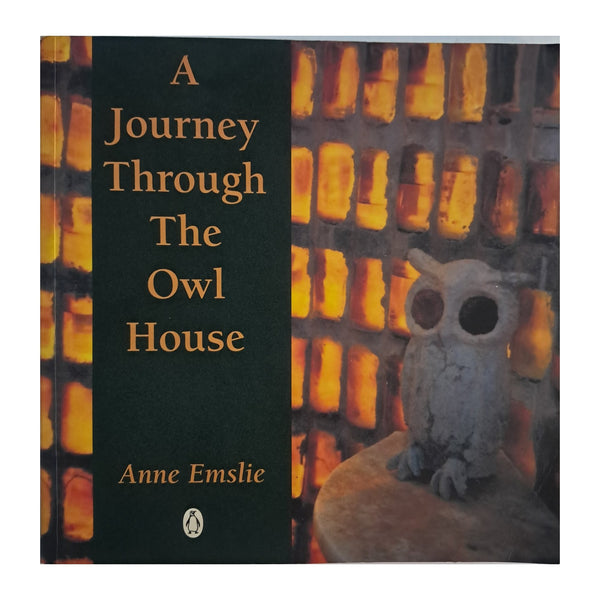
A Journey Through The Owl House by Anne Emslie
Anne Emslie, 1997
-
Notes on a visit to South Africa by Stanley Leighton
Stanley Leighton, 1975
-

Robert Semple's Walks & Sketches at the Cape of Good Hope by Robert Semple
Robert Semple, 1968
-
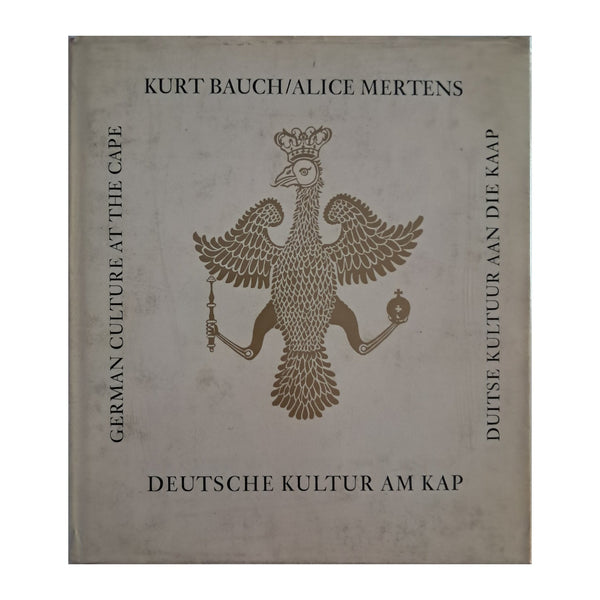
Deutsche Kultur am Kap by Kurt Bauch & Alice Mertens
Kurt Bauch & Alice Mertens, 1964
-

Transvaal Republican by Désirée Picton-Seymour & R. I. B. Webster
Désirée Picton-Seymour & R. I. B. Webster, 1956
-

NATAL by Charles E. Peers
Charles E. Peers, 1930


